Sourdough Cranberry-Walnut Loaf
A sourdough cranberry walnut loaf for the holiday table: one Dutch-oven boule. The lean dough is 500 g of bread flour at 70% hydration, with ripe starter, water, and salt. Dried cranberries and toasted walnuts are folded in during bulk. Not stuffing, dinner rolls, or sandwich bread.
View saved recipes · Saved on this device.
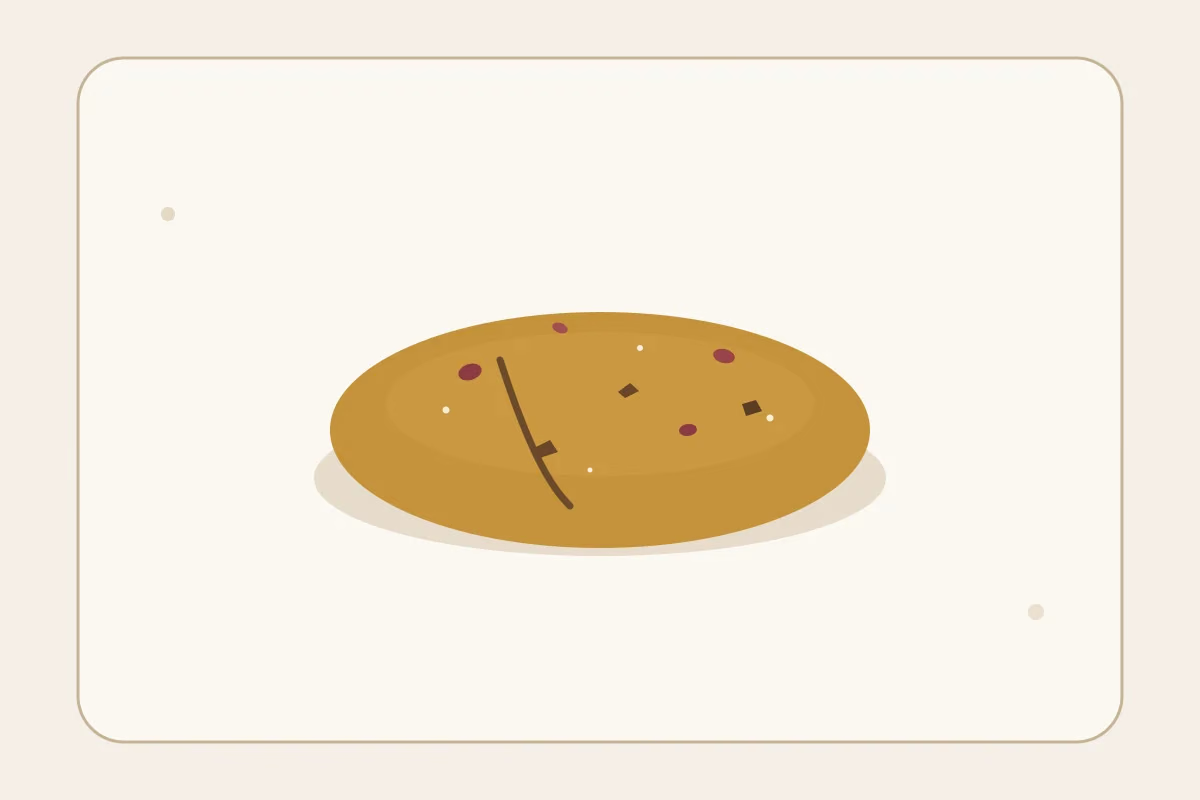
This sourdough cranberry walnut loaf is one lean holiday boule: bread flour, water, salt, and ripe starter, with dried cranberries and toasted walnuts folded into the dough during bulk. Total flour is 500 g. The flour, water, salt, and starter are the same 860 g planning dough as the country loaf guide and the dough calculator: 70% hydration, 2% salt, and 10% prefermented flour. The cranberries are 75 g, 15% of total flour. The walnuts are 75 g, also 15%. Together the dough weighs 1010 g before baking. It is a planning formula, not a record of a Sourdough Bench test bake.
It is not the stuffing. That page dries leftover cubes and bakes them in a 9 by 13 inch pan with onion, celery, stock, and egg. It is not the dinner rolls. Those are an enriched pan of 12 rolls with milk, egg, sugar, and butter. It is not the sandwich bread. That is one enriched tin with milk and butter and no fruit. Whole wheat is a later swap on this page, not part of the base ledger. The prep and cook times on the card are hands-on work and the bake. Bulk fermentation and the overnight cold retard usually add many hours and are not included in those two numbers.
Baker's percentages for this cranberry-walnut loaf
| Ingredient | Baker's % of total flour | Weight |
|---|---|---|
| Total flour | 100% | 500 g |
| Prefermented flour | 10% | 50 g |
| Starter at 100% hydration | 20% by weight | 100 g |
| Water to weigh | — | 300 g |
| Total water | 70% | 350 g |
| Salt | 2% | 10 g |
| Bread flour to weigh | — | 450 g |
| Dried cranberries, dry weight | 15% | 75 g |
| Walnuts, before toasting | 15% | 75 g |
| Lean dough, before inclusions | — | 860 g |
| Dough weight with inclusions | — | 1010 g |
Holiday overnight schedule
| When | Stage | What to look for |
|---|---|---|
| Day before, morning | Feed the starter | Enough ripe starter for 100 g in the dough, plus a reserve |
| Day before | Toast and cool the walnuts | 75 g, fragrant and a shade darker, fully cool before they meet the dough |
| Day before, afternoon | Mix and bulk | About 3–4.5 hours near 75°F / 24°C, with folds; inclusions go in on the second fold |
| Day before, late afternoon | Shape | One boule for a round Dutch oven, seam set for the way you will score |
| Overnight | Cold retard | Covered in the refrigerator for 10–16 hours |
| Morning | Bake | 230°C / 450°F, covered 20 minutes, then uncovered about 20–28 minutes, until the crust is deep and firm |
Sourdough Cranberry-Walnut Loaf
- Makes
- 1 loaf
- Prep · estimate
- 40 min
- Cook · estimate
- 45 min
- Total · estimate
- 85 min
Ingredients
- 450 g white bread flour, plus a little for the bench and the basket
- 300 g water, cool or at the temperature you calculated
- 100 g ripe sourdough starter at 100% hydration (50 g flour and 50 g water)
- 10 g fine salt
- 75 g dried cranberries, weighed dry, then soaked and drained
- 75 g shelled walnuts, weighed before toasting
Method
Build the starter and read the ledger
Use a starter that has risen on a recent feed and smells tangy, not rotten or moldy. Feed it with flour and water only if the loaf should stay free of dairy and eggs. Total flour is 500 g. The 100 g starter contributes 50 g of that flour and 50 g water, so prefermented flour is 10% and the starter weighs 20% of total flour. You weigh 450 g more bread flour. Water to weigh is 300 g. Total water is 350 g, which is 70% hydration. Salt is 10 g, 2%. The lean dough, before fruit and nuts, is 860 g. Dried cranberries are 75 g dry, 15% of total flour. Walnuts are 75 g before toasting, also 15%. Dough weight with those inclusions is 1010 g. Prefermented flour is already inside the 500 g. Starter weight already includes its flour and its water. Do not add the 50 g, the 100 g, and the 450 g on top of one another. The cranberries and the walnuts are not hydration and they are not flour. If your starter is not 100% hydration, rebuild the flour and water split before you mix so the totals stay the same. Size that 100 g, plus whatever reserve you want left in the jar, with the starter feeding calculator.
Toast the walnuts and drain the cranberries
Heat the oven to 175°C / 350°F. Spread the 75 g walnuts on a sheet and toast them until they smell fragrant and turn a shade darker, often about 8 to 12 minutes. They burn quickly. Cool them completely, then chop any large pieces. Do not add oil. The 75 g is the weight before the oven. Do not top the bowl back up to 75 g after toasting, because a little moisture has left. Cover the 75 g dried cranberries with hot water for 10 minutes, then drain them and pat them dry. Throw the soak water away. Do not pour it into the dough, and do not count it toward the 300 g or the 70%. The berries will weigh more than 75 g after soaking. Leave them at that drained weight. Do not cut them back to 75 g, and do not add more dry berries to replace what they absorbed. The Perfect Loaf toasts the walnuts for that walnut-cranberry formula before bulk and keeps the fruit out of the dough until the folds. Their loaf also uses rye, whole wheat, walnut oil, and a different hydration. This step is only the 75 g and the 75 g.
Mix, rest, then take the dough temperature
Stir the starter into the 300 g water. Add the 450 g bread flour and mix until no dry flour remains. Rest 20 to 30 minutes, then sprinkle on the salt and squeeze it through until the dough is cohesive. It should feel tacky and supple at 70% hydration with bread flour, not soupy and not a stiff bagel dough. Leave the cranberries and walnuts out of this mix. Write down the dough temperature. A useful planning target for this lean dough is about 75–78°F / 24–26°C just after mixing. The dough temperature calculator’s water estimate applies to the 300 g, then you measure the dough you mixed. The desired dough temperature guide explains why the reading is the dough, not the room. The Perfect Loaf names 76°F / 24°C for their walnut-cranberry formula. That formula is not these weights. This reading is the start of bulk.
Fold during bulk, and add the inclusions on the second fold
Cover the dough and leave it somewhere steady. During the first half of bulk, give it four stretch-and-folds or coil folds, about 30 minutes apart. The first fold is plain dough, with no fruit and no nuts, so the gluten can take a set. On the second fold, spread the drained cranberries and the cooled walnuts over the dough in three or four portions. Fold after each portion so the pieces are tucked inside rather than left as a layer on top. The next two folds can be gentler. They close gaps. A few berries or nut pieces at the surface are fine. They will darken in the oven. Do not work in a handful of bench flour to hide them. After the fourth fold, leave the dough covered for the rest of bulk. Bulk is finished when the dough is puffier, aerated, and stronger than at the mix. Judge the dough between the pieces, not the fruit. A kitchen near 75°F / 24°C may be ready in roughly 3 to 4.5 hours. A cool kitchen takes longer. The bulk fermentation guide is the page for rise, bubbles, and strength together. Do not end bulk only because another recipe’s clock has run out. The proofing time calculator can stretch or shorten a guess when the dough is not at the temperature you planned. It does not decide that bulk is finished.
Shape one boule and retard it overnight
Turn the dough out onto a lightly floured bench. Preshape it into a loose round, cover it, and rest 20 to 30 minutes, until it relaxes enough to tighten without tearing. Shape one boule for a round Dutch oven. If your pot is oval, shape a bâtard instead and write down the shape. The shaping guide is the reference for the seam and the basket. This dough is one loaf, about 1010 g before baking. A small pot that cannot hold that mass needs a smaller batch, not a cram. Set the seam to match the way you will score, and flour the liner so the loaf releases. Line the basket. Cranberry color can stain a bare cloth. The flour is for the cloth, not a second handful worked into the dough. Cover the loaf so the skin does not dry and so the cover will not fuse to the dough. Refrigerate it for 10 to 16 hours. The winter baking guide’s 10 to 14 hour span is a planning window, not a promise. The cold-proofing guide explains cooling lag and baking from the refrigerator. Egg, milk, and butter are not in this dough, so the overnight path is a cold final proof of a lean loaf, not the enriched retard used for dinner rolls or brioche.
Bake covered, then uncovered, and judge doneness
Heat the oven to 230°C / 450°F with a Dutch oven inside, and give the pot time to get hot. A cold pot is a different bake. Take the loaf from the refrigerator. If the skin is too tight to score, wait only a few minutes. Score one slash or a simple cross with a sharp blade. Load the loaf and bake covered for 20 minutes. Uncover and bake about 20 to 28 minutes more. Start looking at 20 minutes uncovered. The loaf is done when the crust is deep gold to brown, the crust is firm, and the bottom sounds hollow when tapped. Color is the first cue for a crusty sourdough. King Arthur’s fig-and-walnut loaf, baked on a stone, looks for 200°F in the center, and their Dutch-oven note for that different dough bakes covered much longer because the pot is not preheated the way this one is. The Perfect Loaf’s walnut-cranberry loaves look for a deeply colored crust and about 204°F / 95°C inside. Use a thermometer as a second cue beside color and sound, and write down the number you actually read. King Arthur also notes that the center can reach a finished temperature several minutes before baking is done, so a number alone is not the stop. If the top is dark before the crust is firm, tent it with foil and keep baking. Their formulas are not this 1010 g ledger, so the clock is an estimate. Cool on a rack until the center is no longer warm before you slice. A hot crumb looks gummy even when the bake was long enough. A loaf this size often wants at least an hour, and longer is better. The gummy-crumb guide is the page for a sticky center after cooling, not a second bake time.
Developed for home use; not kitchen-tested by Sourdough Bench. Times are estimates; use the doneness cues in the steps.
Small things that help
- Check the lean dough in the calculator, then add the inclusions yourself
- Enter about 860 g dough, 70% hydration, 2% salt, and 10% prefermented flour with a starter at 100% hydration. You should get 450 g bread flour, 300 g water, 100 g starter, and 10 g salt. That is the country loaf ledger and the worked example on the dough calculator. Add the 75 g dried cranberries and the 75 g walnuts after that check. Do not enter 1010 g as the dough weight. The calculator would scale the flour and water, and the fruit and nuts would no longer be 15% of the flour. Do not type the cranberries or the walnuts in as water.
- Ten percent prefermented flour is not ten percent of the dough
- The starter weighs 100 g, which is 20% of the 500 g total flour. Prefermented flour is only the 50 g of flour inside it, or 10%. The baker’s percentage guide is the page if those two phrases have been swapped in another recipe. The 15% cranberries and the 15% walnuts are percentages of the same 500 g. They are not part of the 100% flour, and they do not change the 70% hydration.
- Scale every line, including the fruit and the nuts
- Baker’s percentage uses total flour as 100%. For a smaller pot, scale flour, water, starter, salt, cranberries, and walnuts by the same factor. A half batch is 250 g total flour, 225 g bread flour to weigh, 150 g water, 50 g starter, 5 g salt, 37.5 g dried cranberries, and 37.5 g walnuts. The dough with inclusions is then 505 g. Start checking the uncovered bake several minutes earlier. Write the scale down. Do not leave the inclusions at 75 g on a half batch of flour.
Make it your own
- Use a little whole wheat
- Replace 75 g of the 450 g bread flour with whole wheat flour. That is 15% of total flour. Keep the 300 g water, the starter, the salt, the cranberries, and the walnuts the same on the first try. The bread flour you weigh is then 375 g, and total flour is still 500 g. Read the whole wheat guide before you push the share higher. Write the change down. Do not also change the hydration on that bake. All bread flour is the base ledger on this page.
- Bake it the same day
- Skip the overnight retard. After shaping, cover the loaf and proof it at room temperature until it looks fuller and a floured finger at the edge springs back slowly, often 45 to 90 minutes near 75°F / 24°C. Bake the same day. Write down that you did not retard the dough. A same-day loaf and an overnight loaf are not the same record even when the grams match.
- Want stuffing, rolls, or a sandwich tin instead
- Use the stuffing recipe for a pan of dried cubes. A loaf studded with cranberries and walnuts is a poor substitute for the mild, close-grained bread that page asks for. Use the dinner rolls for a soft enriched pan of 12. Use the sandwich bread for one enriched tin. Do not divide this boule into rolls, and do not omit the cranberries and walnuts and still call the bake this loaf. A plain country loaf is the guide that owns the 860 g ledger with nothing folded in.
Make ahead & storage
Cool the loaf on a rack until the center is no longer warm. Keep it cut-side down on a board for the day you bake it, or freeze it wrapped once cool. Dried fruit can soften the crumb over a couple of days, so freeze what you will not eat. Do not seal the loaf in plastic while it is hot. A damp bag is how this loaf molds just as fast as any other lean bread. Heat a stale loaf in a hot oven for a few minutes if the crust has softened. Throw it away if you see mold. Trimming a spot is not enough.
Dietary notes
Ingredients to check
This loaf contains wheat and walnuts, which are tree nuts. The dough has no milk, butter, egg, or added sugar. It is vegan when the starter is flour and water only and the dried cranberries are not sweetened with honey. Check the cranberry label. Sweetened cranberries are still the 75 g dry weight in this ledger. This note is an ingredient list, not an allergy certificate and not a nutrition panel.
Before you start
Is this the sourdough stuffing?
No. Stuffing is leftover bread, dried and baked in a dish with onion, celery, herbs, stock, and egg. This page mixes a new dough and bakes one cranberry-walnut boule in a Dutch oven. Do not cube this loaf and expect the stuffing formula to behave.
Is this the dinner rolls or the sandwich bread?
No. Dinner rolls are twelve enriched pieces with milk, egg, sugar, and 20% butter. Sandwich bread is one enriched tin with milk and 10% butter. This loaf is flour, water, salt, ripe starter, dried cranberries, and toasted walnuts. Keep one bake on one page.
Why does the card say about 85 minutes when the loaf takes overnight?
The card counts hands-on work and the time in the oven. Bulk fermentation and the cold retard are extra. Toasting the walnuts and soaking the cranberries are also outside that 85 minute sum if you do them ahead. Do not expect a finished loaf in 85 minutes from a cold starter.
Do the cranberries and walnuts count toward hydration?
No. Hydration is total water divided by total flour, and both totals include the starter. That is 350 g water and 500 g flour, or 70%. The soak water is drained and discarded. The 75 g cranberries and the 75 g walnuts sit outside that percentage. Adding them does not make the dough 1010 g of 70% dough in the calculator.
How do I know the loaf is done?
Look for a deep crust, a firm feel, and a hollow sound when you tap the bottom. A thermometer is a second cue. King Arthur’s fig-and-walnut loaf looks for 200°F in the center on a stone, and The Perfect Loaf’s walnut-cranberry loaves look for about 204°F / 95°C. Write down the number you read. King Arthur notes that the center can reach a finished temperature several minutes before the bake is done, so do not stop on the number alone. Cool the loaf before you slice.
Can I put these weights in the dough calculator?
Yes for the lean dough. Total flour is 500 g, hydration is 70%, salt is 2%, prefermented flour is 10%, and the starter is 100% hydration. The grams should match 450 g flour, 300 g water, 100 g starter, and 10 g salt. Add the cranberries and walnuts yourself. Entering 1010 g as the target dough weight will not describe this loaf.
Sources & inspiration
- The Perfect Loaf: Walnut cranberry sourdough
A two-loaf formula at 1,800 g, 85% hydration, with bread flour, whole wheat, rye, walnut oil, 20% toasted walnuts, and 14% dried cranberries. Inclusions go in during the folds. A Dutch oven is named for a round loaf. They look for a deeply colored crust and about 204°F / 95°C. The gram ledger here is one loaf at 70% hydration, bread flour, no oil, and 15% of each inclusion.
- King Arthur Baking: Fig and walnut sourdough
One large loaf from 360 g all-purpose flour, 284 g ripe starter, 227 g water, 9 g salt, optional instant yeast, 75 g dried figs or 57 g dried cranberries, and 85 g walnuts. On a stone they look for 200°F in the center. Their Dutch-oven note bakes a cold pot covered for 45 to 50 minutes, then uncovered about 10. This page preheats the pot and uses a different ledger, with starter only.
- King Arthur Baking: How to tell if bread is done
Color, sound, and a firm crust come first for crusty loaves. An internal temperature can confirm them, and the center can reach a finished temperature several minutes before baking is done. Cool the loaf before slicing so the crumb can set.
- King Arthur Baking: Baker’s percentage
The percentage language used to build the 500 g flour ledger. Flour is 100%. The other lines are percentages of that flour, not shares of a pie that must total 100%.
- King Arthur Baking: Bread hydration
Why the 70% figure counts water in the starter, not only the 300 g in the bowl. The drained cranberry soak is not part of that water.
- USDA FSIS: Molds on food
Why a moldy loaf is thrown away rather than trimmed.
Recipe writing and serving illustrations are created for Sourdough Bench. Inspiration credits identify the source of an idea; they do not imply that another author tested this recipe. How we publish.
Get more from your loaf
- Basic sourdough country loaf
- Baker’s percentages
- Dough calculator
- Desired dough temperature
- Dough temperature calculator
- Bulk fermentation signs
- Cold proofing
- Baking with steam
- Baking with whole wheat flour
- Gummy sourdough crumb
- Winter sourdough baking
- Sourdough stuffing
- Sourdough dinner rolls
- Sourdough sandwich bread
- Starter feeding calculator


