For starters.
A little guidance for your next loaf.
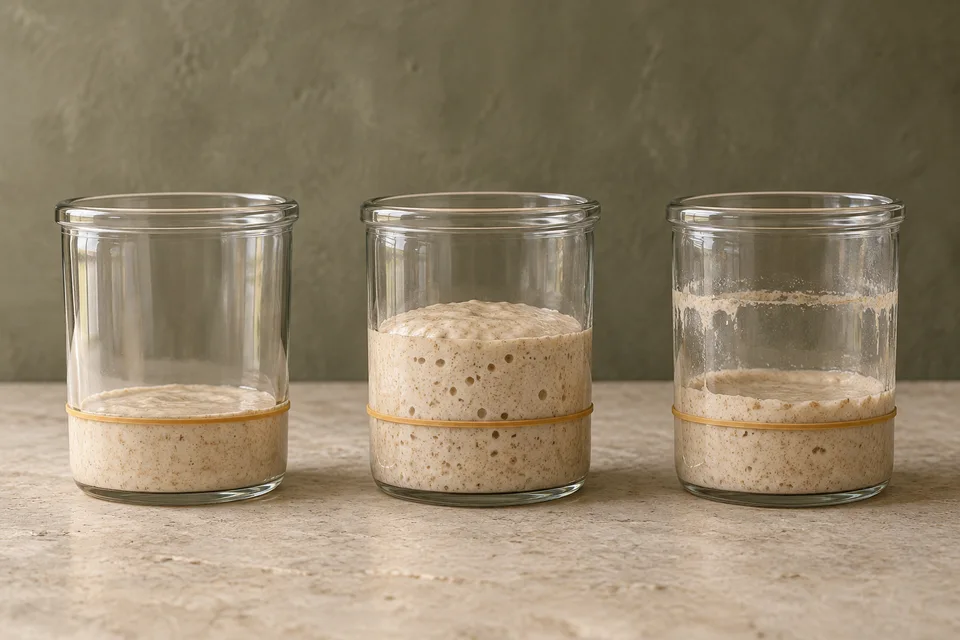 Starter stages · AI illustration
Start with a jar.
Flour, water, and a feeding routine you can follow.
Grow your first starter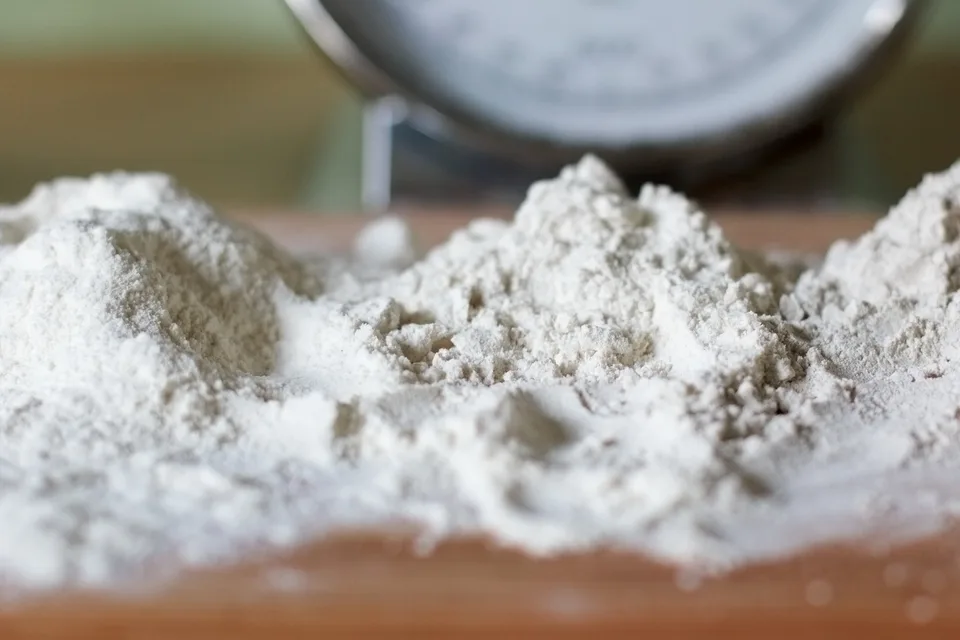 Photo: Mudd1 · CC BY-SA 3.0
Get to know your flour.
Bread, all-purpose, whole wheat and more. What changes in your dough?
Compare the flours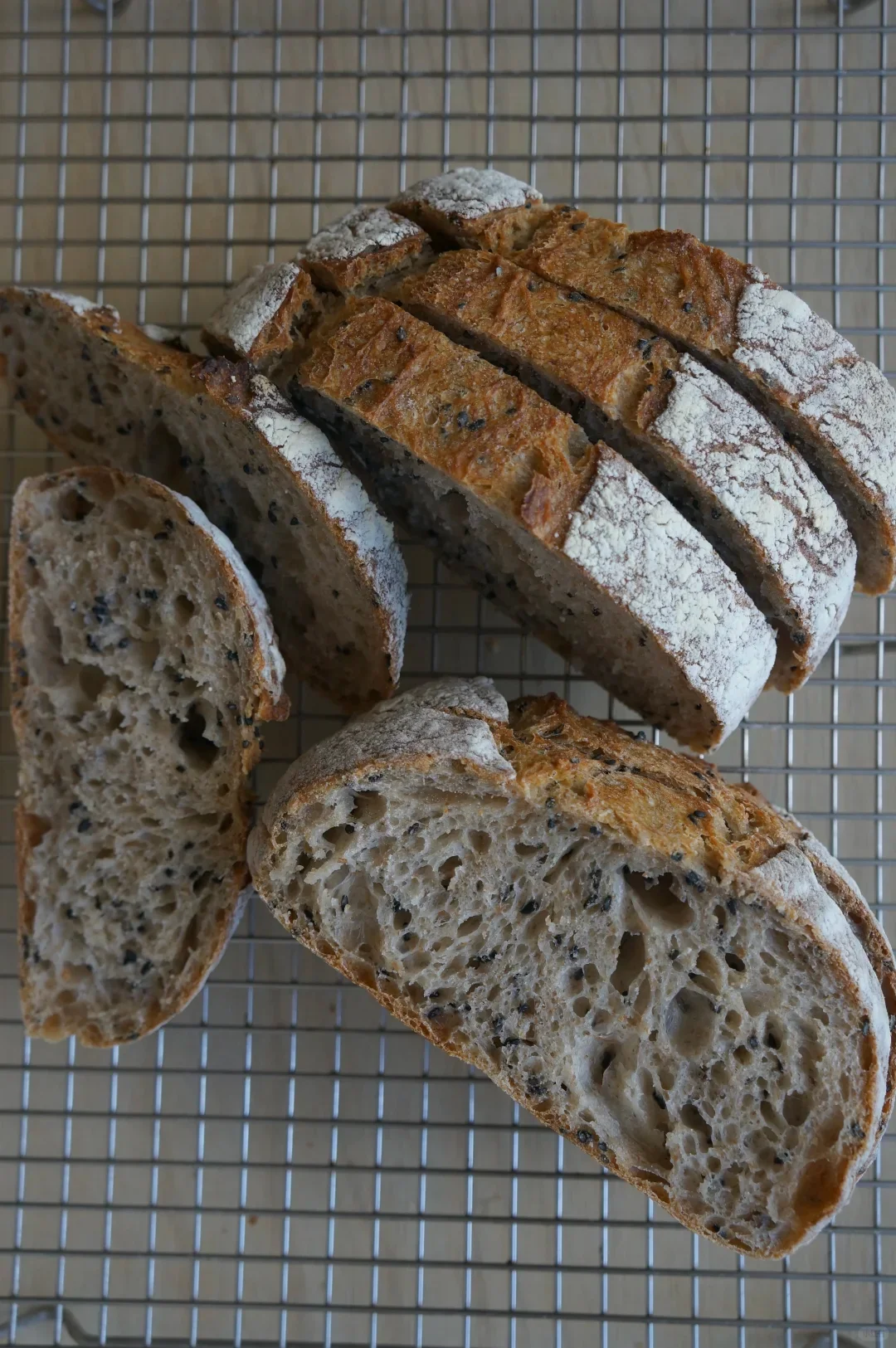
A loaf, step by step.
The ingredients, seven folds, and a morning’s dough notes.
Read the baking notes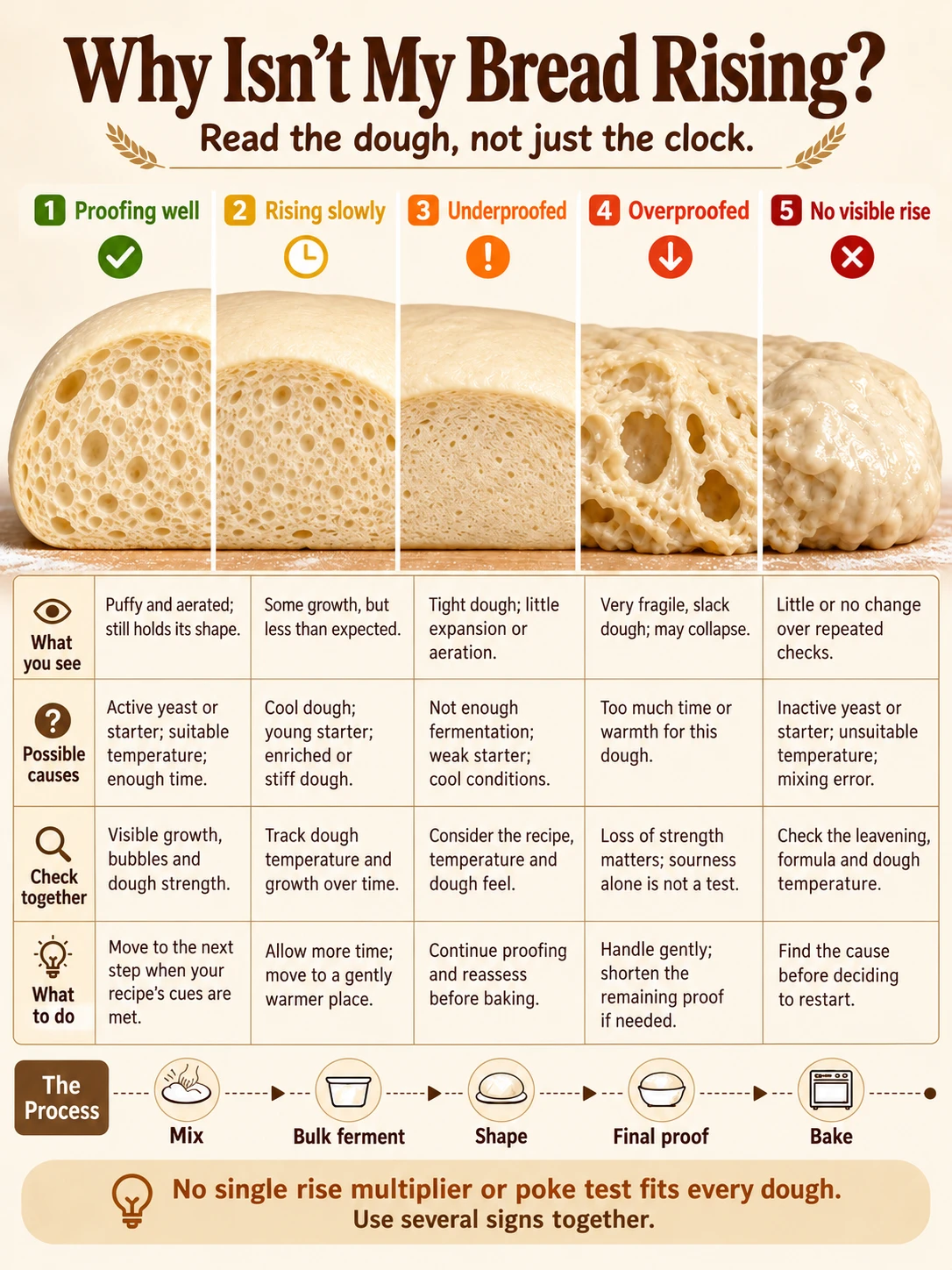
Why won’t it rise?
Understand bread fermentation in one simple chart.
Get to know your dough
Why the long rise?
What time changes inside your loaf.
Explore the slow rise
Is sourdough healthier?
Six things to know about your everyday loaf.
Take a closer lookReady for your first loaf? Start here.
Beginner FAQ
What does “for starters” cover?
Short beginner lessons: grow a starter, compare flours, follow a home bake log, read fermentation signs, and explore slower rises and everyday health questions about sourdough bread.
How long does a new starter take?
Many jars show reliable rise after about a week of regular feedings, but temperature, flour and kitchen flora vary. Use weight-based feeds and watch for consistent doubling rather than a fixed calendar promise.
Can I bake before the starter is strong?
Wait until the culture rises and falls on a predictable schedule after feeding. Weak starters make dense loaves; the day-by-day starter guide and starter-not-rising field guide help you diagnose the jar first.
What should I read after these notes?
Move to Start here, then baker’s percentages and bulk fermentation signs. Keep numbers in the dough calculator and observations in the bake log.
What do I do with sourdough discard?
Once the jar is mature and healthy, use weighed discard in fully cooked recipes. See the discard recipes guide; early establishment discard is usually thrown away, not cooked.
Share this page
The page link does not include your calculator values or notes.