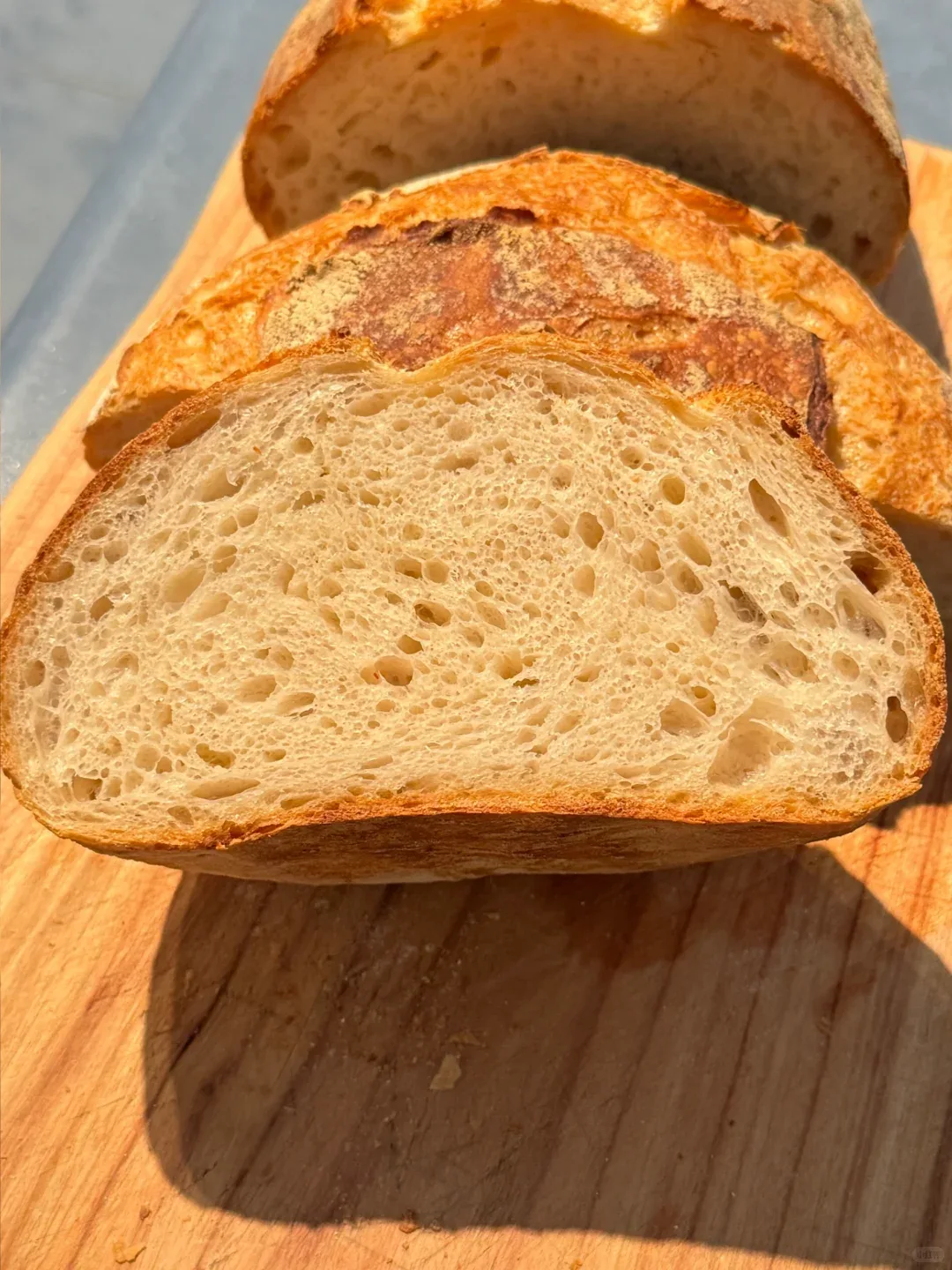
Good things happen while it rests.
During fermentation, yeast and bacteria use carbohydrates in the dough. Along with the rise and developing flavour, this process can change some of the compounds you eat.
Fructans are fermentable carbohydrates found in wheat. They can contribute to bloating in some people, so discomfort after bread does not, by itself, identify gluten as the cause.
Long sourdough fermentation may reduce some fructans. The result depends on the flour, culture and process; the portion you eat matters too. Monash’s explanation shows why tested breads can differ.
Four things to watch.
Give it room to develop.
Record the warm fermentation and cold proof separately. More hours can change the bread, but a clock cannot tell you its remaining fructan content.
Cold slows the pace.
Refrigeration slows fermentation and helps fit a bake into your day. Keep track of the dough’s temperature as well as the room and fridge.
Look for reliable activity.
Follow its rise after feeding and use your recipe’s amount. Look for a predictable pattern of growth and bubbles; the float test alone cannot tell the whole story.
Match the dough to the flour.
Choose a hydration your flour can support and your hands can manage. Keep it consistent while you get to know the recipe.
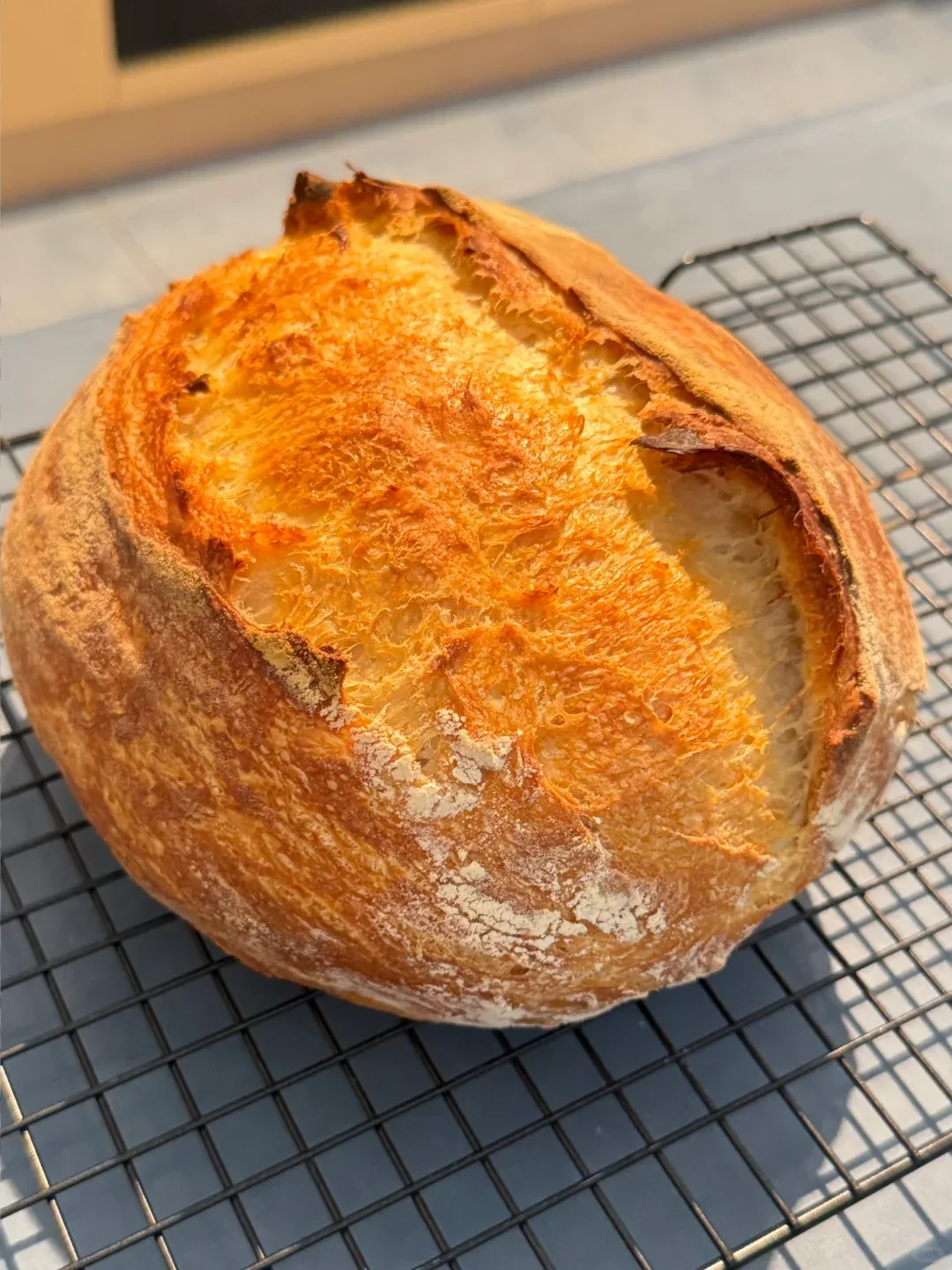
Keep the experiment simple.
Choose a complete recipe, keep the flour and ingredient weights consistent, and record the temperatures and timing. Change one baking variable at a time.
If wheat is suitable for you, start with a modest portion and note how you feel. A comfortable serving for one person may differ from another’s; a sourdough label alone does not establish low-FODMAP status.
Ordinary wheat sourdough still contains gluten and is not suitable for coeliac disease or wheat allergy. Ongoing digestive symptoms deserve advice from a qualified clinician or dietitian.
A little more context & sources
A 2018 crossover trial involving 59 people with self-reported non-coeliac gluten sensitivity found more symptoms with fructans than gluten overall. It did not establish the cause of everyone’s bread-related symptoms or test a homemade sourdough method.
Settings such as a 12–72-hour cold proof or 20–30% starter are baking choices, not validated targets for complete fructan removal. Starter percentages also need a stated flour basis; 70% or 75% hydration is not a validated threshold for easier digestion. Acidity, a large crumb hole and a long timetable cannot measure digestibility.
- Monash FODMAP: Sourdough processing and FODMAPs
- Skodje and colleagues: Fructan and gluten challenge trial, 2018
- King Arthur Baking: Temperature, culture and sourdough flavour
- King Arthur Baking: The limits of the float test
- Beyond Celiac: Sourdough and gluten
- Allergy UK: Reactions to wheat
Adapted from contributed baking notes. Image sources · Editorial approach.